



Heat Press Settings by Fabric: Cotton, Polyester, Blends, and the Peel Test That Proves Them
Oct 22, 2026 · 7 min readOne transfer, two fabrics, two results. The press settings that work on cotton rarely survive the trip to polyester. This guide swaps the usual chart for a ladd
Read MoreDTF Powder: Mesh Size, Curing Temperature, and the Failures Each One Causes, Told From the Peeling Edge
Oct 22, 2026 · 9 min readMost shops blame the powder for a transfer that peels, then buy a different powder and get the same result. This guide explains what mesh size really controls,
Read MoreDTF White Ink Clogging: The Daily Circulation Routine That Prevents It, and What to Do When It Starts Anyway
Oct 22, 2026 · 8 min readWhite ink settles in hours, not days, which is why Monday morning underbases come out gray. This guide covers the circulation routine that keeps titanium dioxid
Read MoreInk Line Flushing: How Often, With What, and What It Actually Costs a Working Print Shop
Oct 22, 2026 · 7 min readMost shops flush too rarely, then flush too hard when something finally breaks. This guide separates a line flush from an ordinary cleaning cycle, gives three s
Read MoreLong Shutdown Procedure: How to Put a Solvent Printer to Sleep for Two Weeks Without Losing a Single Nozzle
Oct 22, 2026 · 8 min readTwo weeks of silence is enough to turn solvent ink into varnish inside a printhead. This hour by hour shutdown plan covers how to decide between standby and ful
Read MoreThe Capping Station and Wiper: When to Clean, When to Replace, and How to Tell the Difference Before Your Nozzle Check Fails
Oct 22, 2026 · 7 min readA failing cap and a failing printhead look identical on a nozzle check, which is why so many good heads get replaced for no reason. This guide gives the daily w
Read MoreDampers, Cap Tops and Wipers: The Three Parts That Decide Whether Your Print Quality Holds All Day
Oct 22, 2026 · 7 min readA damper, a cap top, and a wiper rarely fail loudly. They add a little variability to every print until that variability becomes your normal output. Follow one
Read MoreWhite Ink Not Flowing on a DTF Printer: Circulation, Settling, and Line Pressure Checks That Find the Real Cause
Oct 22, 2026 · 8 min readWhite ink that recovers after a cleaning and then fades again is usually a supply problem, not a dead printhead. Work five checks in strict cost order: bag cond
Read MoreWhat Actually Kills a Printhead: Five Failure Modes and How to Spot Each One Before You Replace It
Oct 22, 2026 · 7 min readCount the parts between the ink bag and the nozzle plate and you find ten components, eight of which can destroy the most expensive one in the machine. These fi
Read MoreBanding on Wide Format Prints: Reading the Spacing Between Bands to Find the Real Cause Fast
Oct 22, 2026 · 10 min readBanding is a measurement, not a mystery. Measure the distance between consecutive bands, compare that pitch with the feed step of your pass mode, and the machin
Read MorePrinthead Not Firing After Cleaning: Five Checks in the Order a Technician Would Actually Run Them
Oct 22, 2026 · 7 min readA head that dies right after a cleaning cycle is rarely a dead head. Run these five checks in cost order, from pump suction and cap seal to air leaks, cables, a
Read MoreWide Format Banding That Appears Mid Roll: 8 Checks to Run From Cheapest to Most Expensive
Oct 22, 2026 · 11 min readBanding that starts halfway through a roll rarely means a dead printhead. Measure the interval between bands first, then work the checks in cost order: nozzle p
Read More
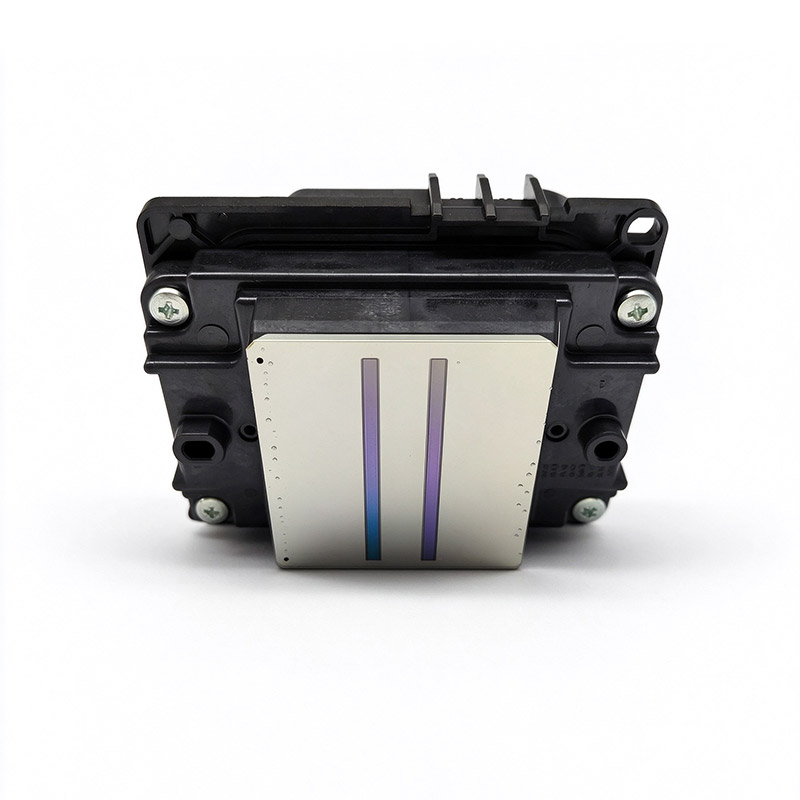
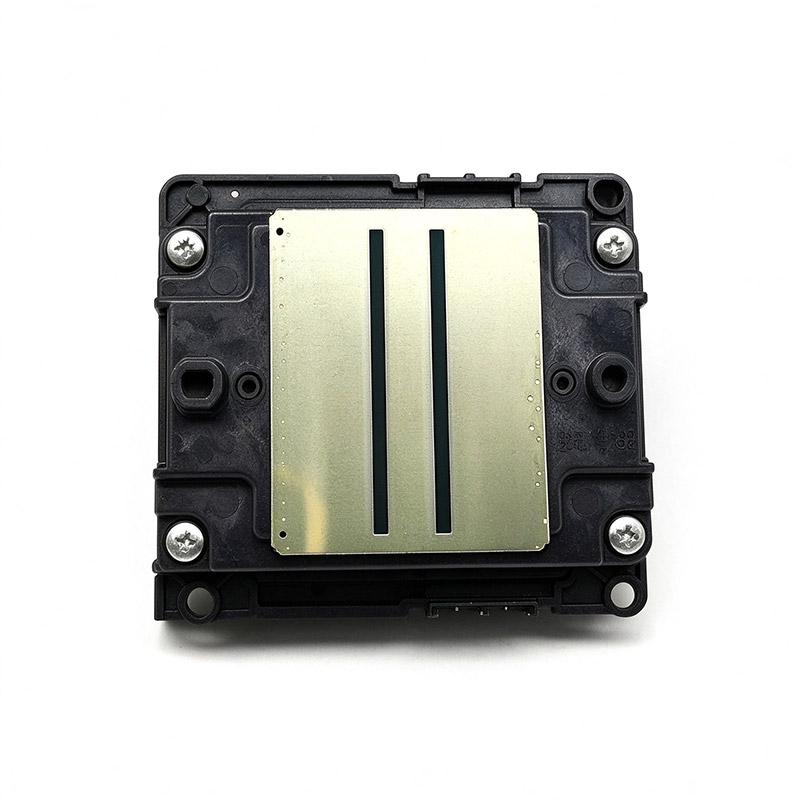
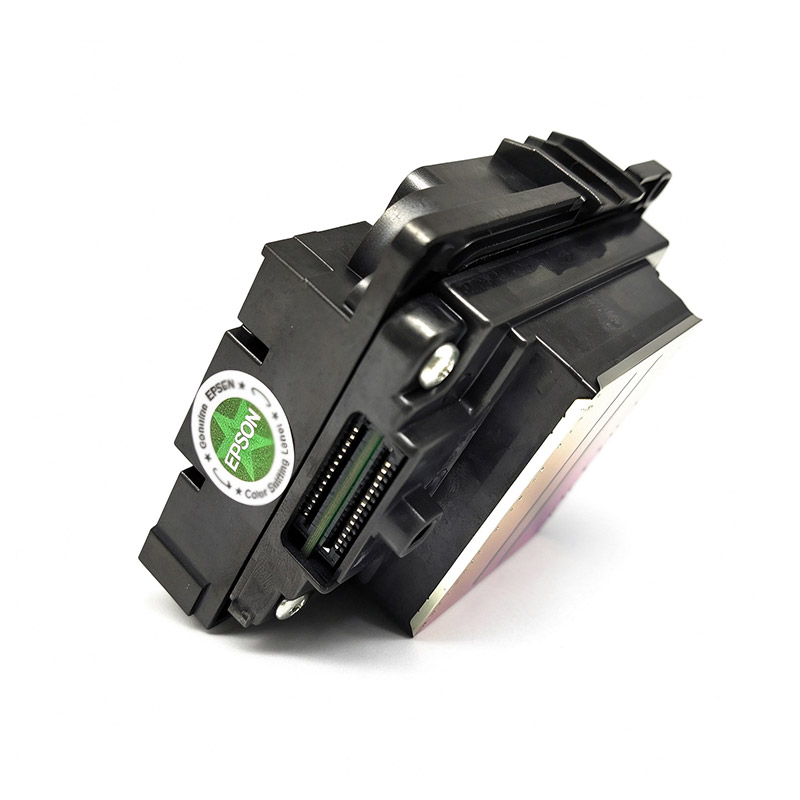
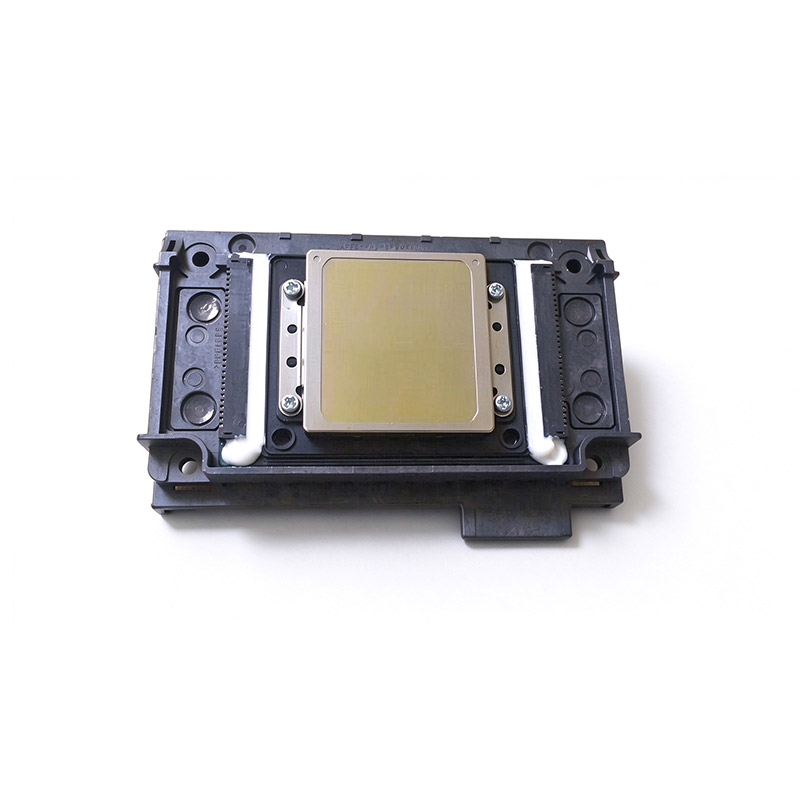
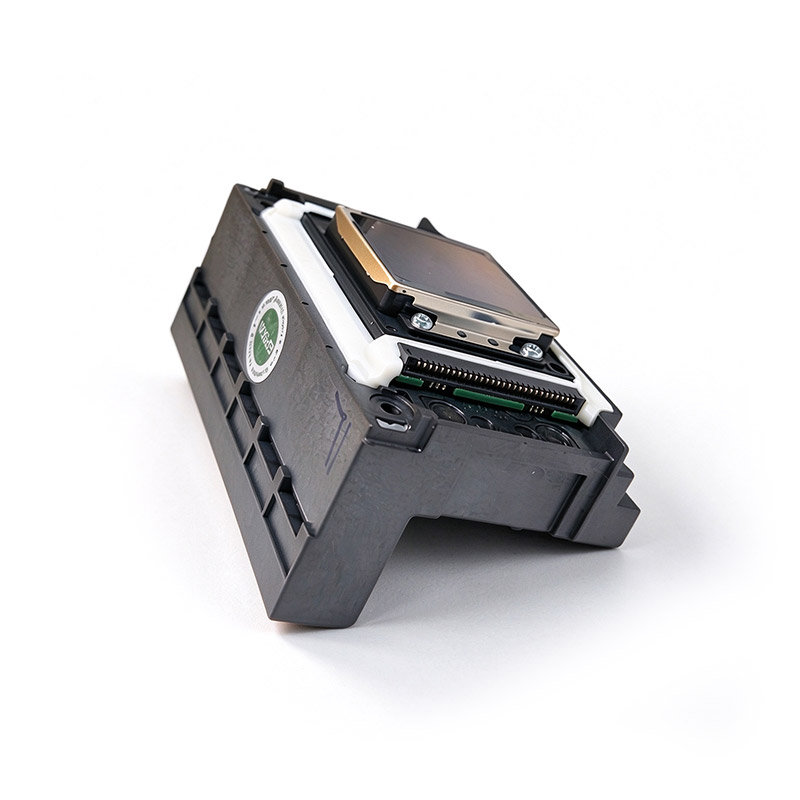
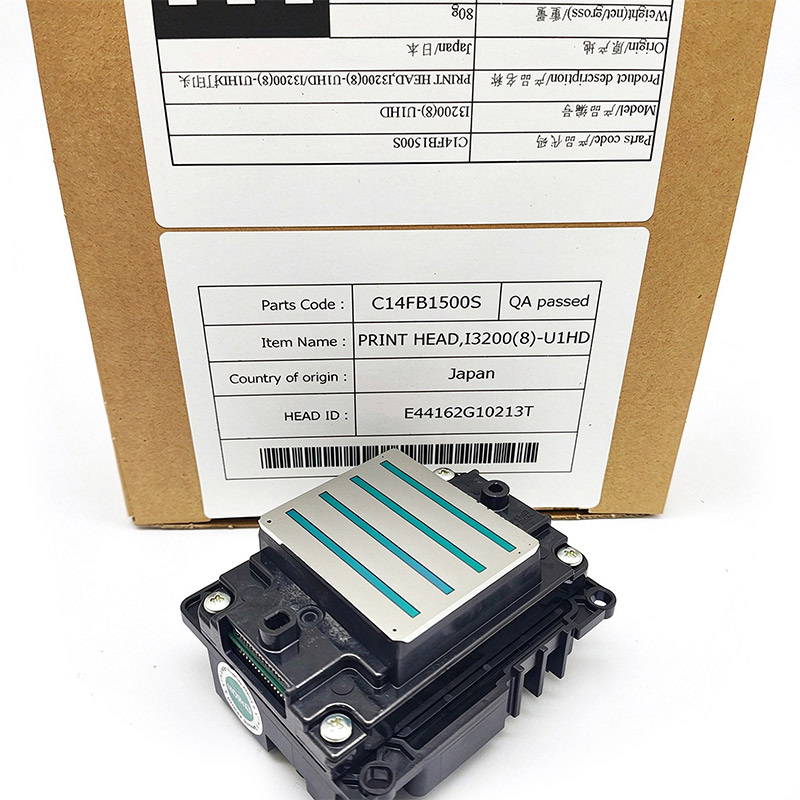
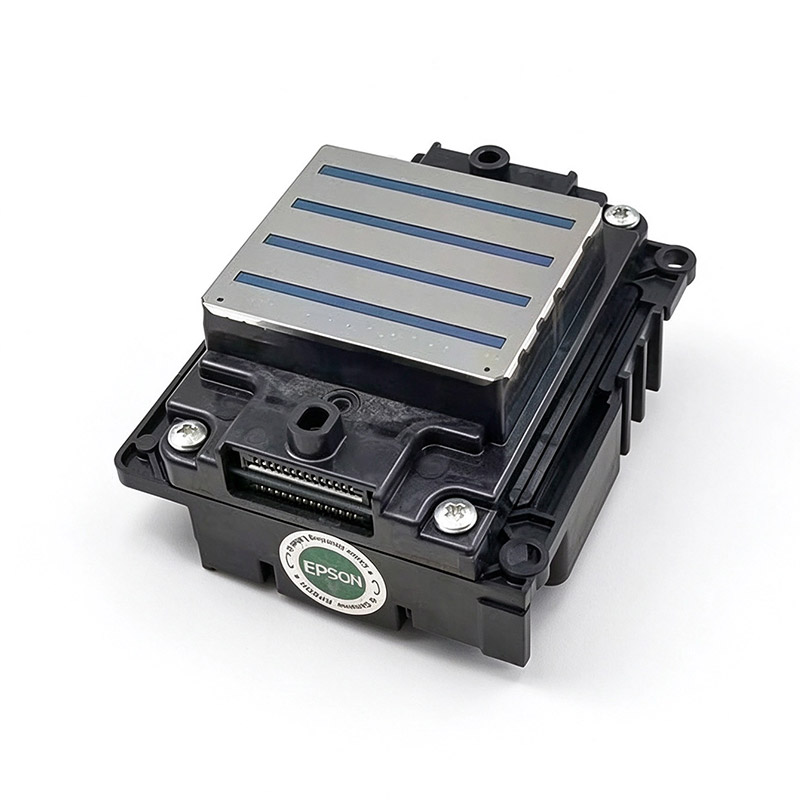
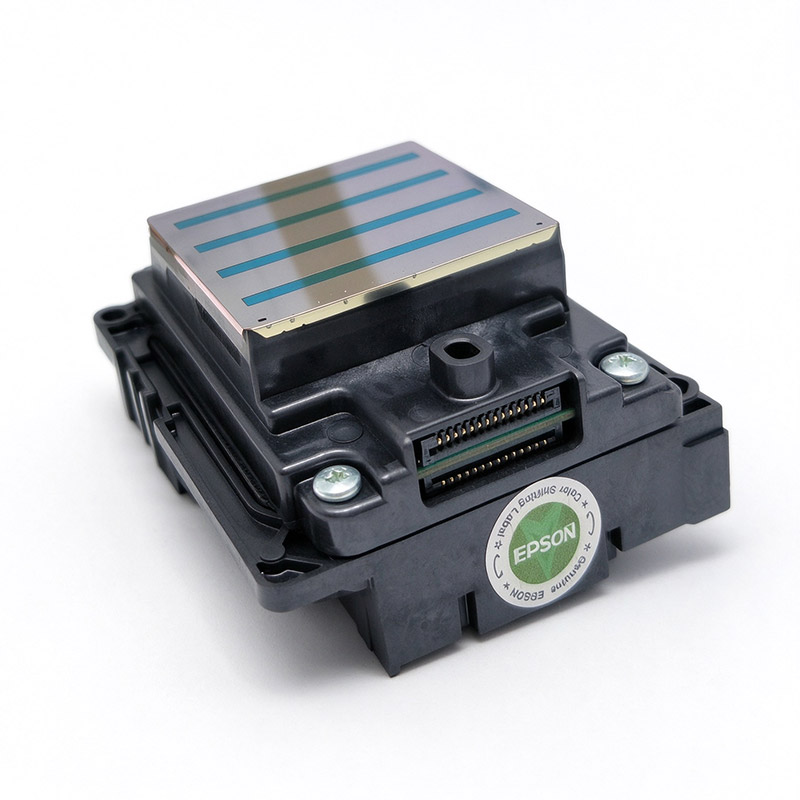
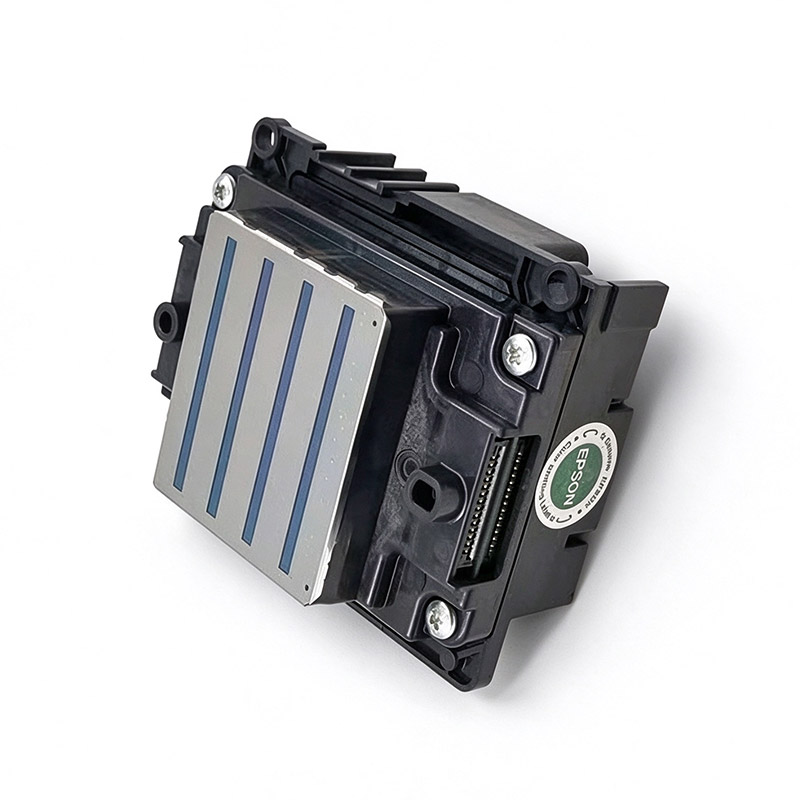
Epson i3200-A1 vs E1 vs U1: What's the Difference?
Oct 22, 2026 · 8 min readA practical guide to the differences between i3200-A1, E1 and U1 printheads, including ink type, applications and compatibility.
Read More